Choosing the Perfect Running Shoes for Your Next Adventure
Picture this: you're about to hit the road for a refreshing morning run, but within minutes, your legs ache and blisters start to form. Often, the culprit isn't your fitness level—it's those ill-fitting running shoes. As an avid runner myself, I've learned that investing in the right pair of running shoes can transform your experience, preventing injuries, boosting performance, and even rekindling your love for the sport. In this guide, I'll share key insights to help you make an informed choice for your next pair of running shoes, ensuring every stride feels effortless and empowering.
First, let's talk about why selecting the ideal running shoes is crucial. Running engages every part of your body, from your feet to your core, and the wrong shoes can lead to common problems like plantar fasciitis or knee strain. High-quality running shoes provide essential cushioning to absorb impact, support to stabilize your ankles, and flexibility to enhance natural movement. Studies show that properly fitted running shoes reduce injury rates by up to 25%, allowing you to run longer and more comfortably. Start by assessing your foot anatomy—are you a neutral, overpronator, or underpronator? A quick gait analysis at a specialty shop can pinpoint this. For instance, if you overpronate (your foot rolls inward), stability running shoes offer extra arch reinforcement. This personalized approach ensures your running shoes cater directly to your biomechanics.
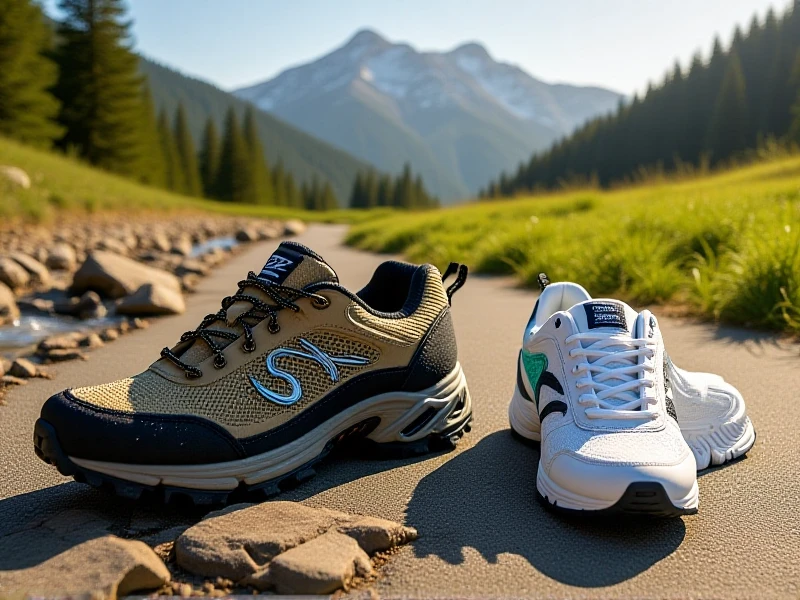
Next, focus on the type of running shoes that match your routine. Are you a trail enthusiast pounding rocky paths or a road racer covering miles on pavement? Trail running shoes feature aggressive treads for grip and durability, while road models prioritize lightweight designs and responsive cushioning. Within these categories, you'll find options like minimalist running shoes for a barefoot feel or max-cushioned ones for long-distance comfort. Don't forget to consider your weight and running goals—lighter runners might prefer firmer running shoes for speed, whereas heavier individuals benefit from softer, shock-absorbing versions. Aim to try shoes on later in the day when feet are swollen for a true fit, and leave a thumb's-width space at the toes to prevent discomfort.
Finally, maintaining your running shoes extends their life and keeps them performing well. Rotate between pairs to even out wear, and clean them regularly with a gentle brush to remove dirt. Typically, running shoes lose effectiveness after 300–500 miles—when you notice decreased cushioning, it's time for an upgrade. Remember, investing in quality running shoes isn't just about gear; it's an investment in your health and joy. Take the leap today to elevate your runs and unlock your potential. Ready to find your perfect match? Start exploring trusted brands and share your journey in the comments below!