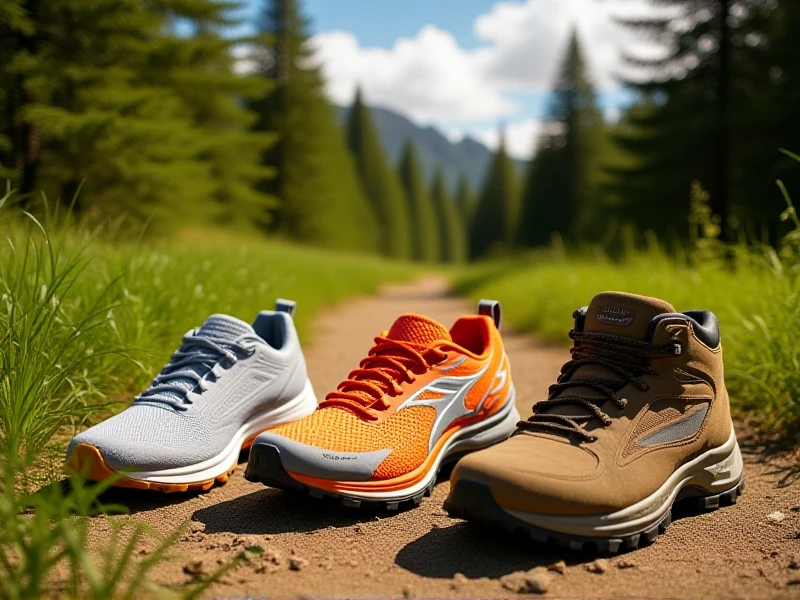
Running Shoes: Find Your Perfect Pair Today
Choosing the right pair of running shoes is more than just picking up something stylish off the shelf; it's a crucial decision impacting your comfort, performance, and injury prevention. Whether you're a seasoned marathoner or just starting your running journey, understanding the nuances of running shoes will help you conquer miles with greater ease and enjoyment.
Modern running shoes incorporate advanced technology designed to support your unique biomechanics. Key components to look at include:
- Cushioning: This absorbs impact, protecting your joints. Levels range from minimal to maximal cushioning, catering to preferences and distances. Brands continuously innovate with proprietary midsole foams offering responsive bounce or plush landings.
- Support & Stability: This is essential depending on your foot strike and gait. Neutral shoes suit runners with efficient, natural motion. Stability shoes incorporate features like medial posts or guide rails to gently correct moderate overpronation (inward rolling of the foot). Motion control options offer the highest level of support for significant overpronation.
- Fit: A snug (not tight!) heel, adequate room for toes to splay, and a secure midfoot are non-negotiable. Your feet swell during runs, so fitting in the afternoon/evening is ideal. Always aim for about a thumb's width of space beyond your longest toe.
Finding the Right Running Shoes for You: Key Types
- Road Running Shoes: These are the most common type, designed for pavement or treadmills. They prioritize cushioning, flexibility, and durability against hard surfaces. Look for outsoles with durable rubber strategically placed in high-wear areas.
- Trail Running Shoes: Built for off-road adventures, these feature aggressive lug patterns for superior traction on dirt, mud, rocks, and roots. They offer enhanced stability, protection (like rock plates), and often more durable uppers to resist abrasion. Waterproof versions (like Gore-Tex models) are popular for wet conditions.
- Racing & Performance Shoes: Lightweight and highly responsive, these prioritize speed. Often featuring racing flats or cutting-edge carbon fiber plates embedded within thick, resilient foams, they propel runners forward efficiently. They usually prioritize performance over durability and maximum cushioning.
Choosing Your Perfect Match
The best running shoes hinge on:
- Running Surface: Road? Trail? Track? Match the shoe to the terrain.
- Foot Type & Gait: Have a specialist gait analysis done to determine pronation level and foot shape.
- Distance & Goals: Daily trainers offer durability. Speed shoes aid interval work. Long-distance options provide comfort for miles.
- Personal Comfort: Ultimately, how the shoe feels during a test run is paramount. A slight heel slippage or pinch point can ruin long runs.
Investing time in finding the right running shoes is an investment in your running health and enjoyment. Replace them regularly (every 300-500 miles) as cushioning degrades over time. Step into the perfect pair and experience the difference supportive, well-fitted running footwear makes! Need personalized recommendations? Contact our running experts today!